Technology
Canon's C2PA authenticity system: what it changes
Canon's provenance workflow for the EOS R1 and EOS R5 Mark II adds verifiable capture records, but it is a professional process rather than a universal guarantee.
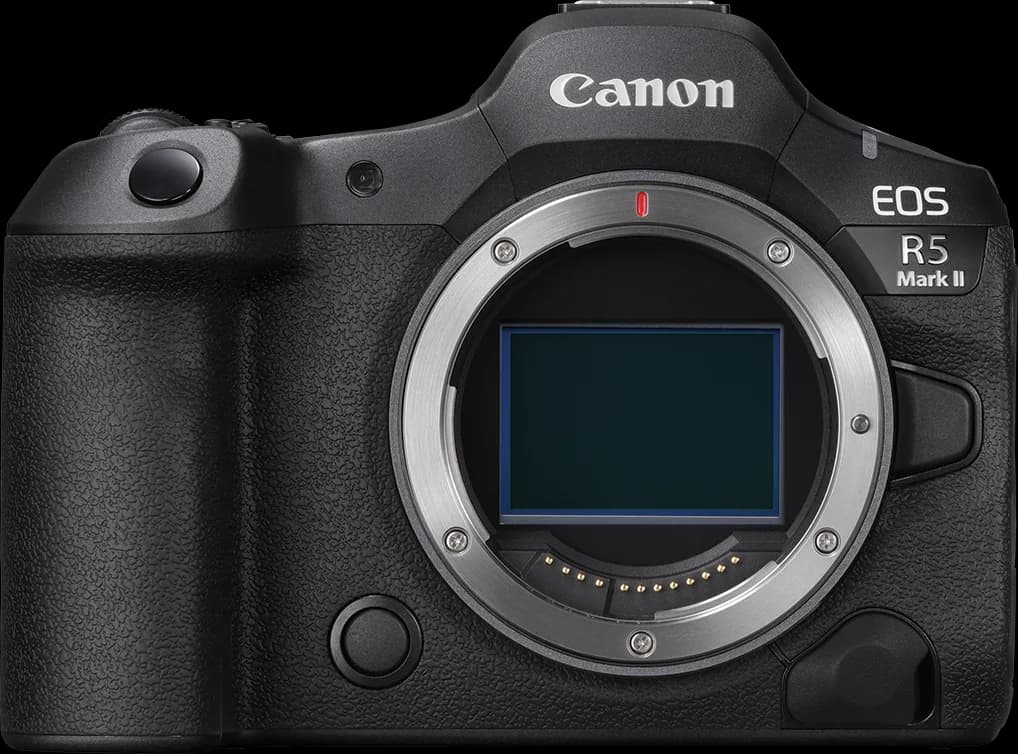
Provenance starts at capture
Canon announced its Authenticity Imaging System on May 11, 2026. The service is built around the C2PA standard, which records where a digital file comes from and how it changes over time. With the feature enabled, a compatible camera signs information associated with the photograph. Certificates and trusted timestamps can then help a newsroom verify the file's history through editing and publication.
The first supported camera bodies named by Canon are the EOS R1 and EOS R5 Mark II. This is therefore a specialized professional workflow, not a feature available on every Canon body.
What this can establish
The system can preserve a chain of provenance from capture onward. That is useful when an editor needs to determine whether a file came from an enrolled camera and whether its recorded history is intact. It addresses a growing need in photojournalism: making the origin and processing path of an image inspectable.
This is different from judging whether the scene itself was truthful. Signed metadata can document a technical history, but it cannot prove that a photograph was framed fairly, captioned correctly or taken at the time suggested by its subject. Canon also notes that the camera clock supplies the recorded capture time, so that time is not guaranteed to match reality exactly.
Practical limits to remember
Canon says C2PA functionality requires paid activation, and launch timing varies by country or region. A buyer should therefore treat provenance support as a workflow requirement to verify with their organization, rather than as a general image-quality advantage.
For newsrooms, agencies and institutional teams, compatibility may become a meaningful selection criterion alongside reliability, connectivity and support. For most photographers, it remains secondary to the characteristics that affect daily shooting. The camera comparator can show the broader technical differences between the EOS R1 and EOS R5 Mark II, while this announcement explains the additional trust layer around certain files.
Bottom line
Canon's system does not make every image automatically true. It makes part of the image's technical history verifiable. That distinction is precisely what gives the technology value without promising more than it can deliver.